


-

Add: HeBei ShengShi HongBang Cellulose Technology CO.,LTD.
-

Email
13180486930@163.com -

CONTACT US
+86 13180486930



The Versatility and Applications of Polyvinyl Chloride Powder Polyvinyl chloride (PVC) is one of the most widely used synthetic plastics globally, with its powder form offering remarkable versatility and utility across various industries. PVC is produced through the polymerization of vinyl chloride monomer (VCM), leading to products that can be either rigid or flexible depending on the additives used during processing. This article explores the properties of PVC powder, its manufacturing process, and its diverse applications in numerous sectors. Properties of PVC Powder PVC powder is characterized by its excellent chemical resistance, durability, and fire-retardant properties. These characteristics make it a preferred material for many applications. The powder form allows for various processing techniques, including extrusion, injection molding, and calendaring. It can be compounded with other materials to enhance its properties, such as flexibility, weatherability, and color stability. By adding plasticizers, stabilizers, and other additives, manufacturers can tailor PVC powder to meet specific performance requirements for different applications. Manufacturing Process The production of PVC powder typically involves the polymerization of vinyl chloride gas, which is accomplished through suspension, emulsion, or bulk polymerization processes. The resulting polymer can be ground into a fine powder suitable for various processing techniques. During the manufacturing process, additives are incorporated to improve the powder's characteristics. For instance, lubricants may be added to enhance flow properties, while thermal stabilizers protect against degradation during processing. Applications of PVC Powder The applications of PVC powder are vast and span multiple industries, including construction, healthcare, automotive, and consumer goods. polyvinyl chloride powder 1. Construction In the construction sector, PVC powder is widely used to manufacture pipes, fittings, and profiles. Rigid PVC pipes are favored for their strength, lightweight, and resistance to corrosion, making them ideal for plumbing, drainage, and electrical applications. Additionally, PVC profiles for windows and doors provide energy efficiency, durability, and low maintenance. 2. Healthcare PVC powder plays a crucial role in the healthcare industry. It is utilized in medical devices, such as IV bags, tubing, and blood bags. The material's ability to be sterilized and its biocompatibility make it suitable for various medical applications. Furthermore, the flexibility of PVC can be modified with additives to ensure comfortable and safe medical products. 3. Automotive In the automotive industry, PVC powder is utilized to create interior parts, such as door panels, instrument panels, and seat covers. Its lightweight nature helps improve fuel efficiency, while its durability contributes to the longevity of automotive components. Additionally, PVC is often used in insulation for electrical wiring in vehicles. 4. Consumer Goods PVC powder is commonly found in a wide range of consumer products, from toys to footwear and household items. For example, inflatable products, such as pool floats and toys, benefit from PVC's waterproof properties. Its adaptability allows manufacturers to create products in various colors and textures. 5. Packaging The packaging industry also leverages PVC powder for producing cling films and other flexible packaging materials. PVC's excellent barrier properties help preserve the freshness of food products while providing visibility and durability. Conclusion In summary, polyvinyl chloride powder exhibits remarkable versatility, making it a crucial material in various sectors. Its unique properties and adaptability allow for tailored solutions to meet specific requirements in construction, healthcare, automotive, consumer goods, and packaging markets. As sustainability becomes increasingly important, the industry is also exploring recycling and eco-friendly alternatives to ensure that PVC remains a viable and responsible choice. With ongoing innovations and developments in processing techniques, the future of PVC powder is poised to remain bright, continuing to provide essential contributions across multiple industries.
- 40000tons

Production
- 20+years

Experience
- 5000+㎡

Acreage

-
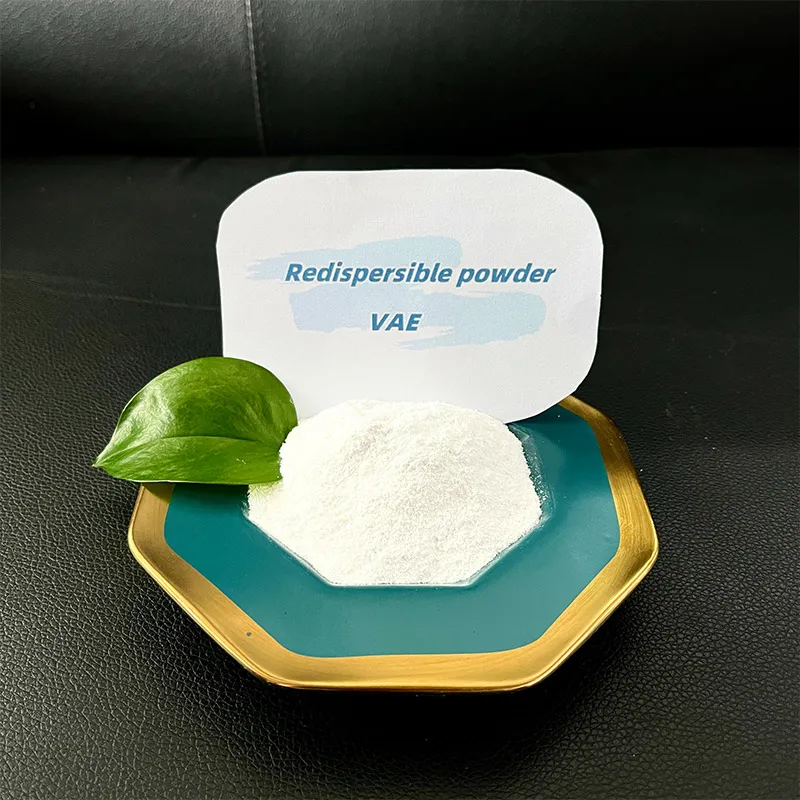
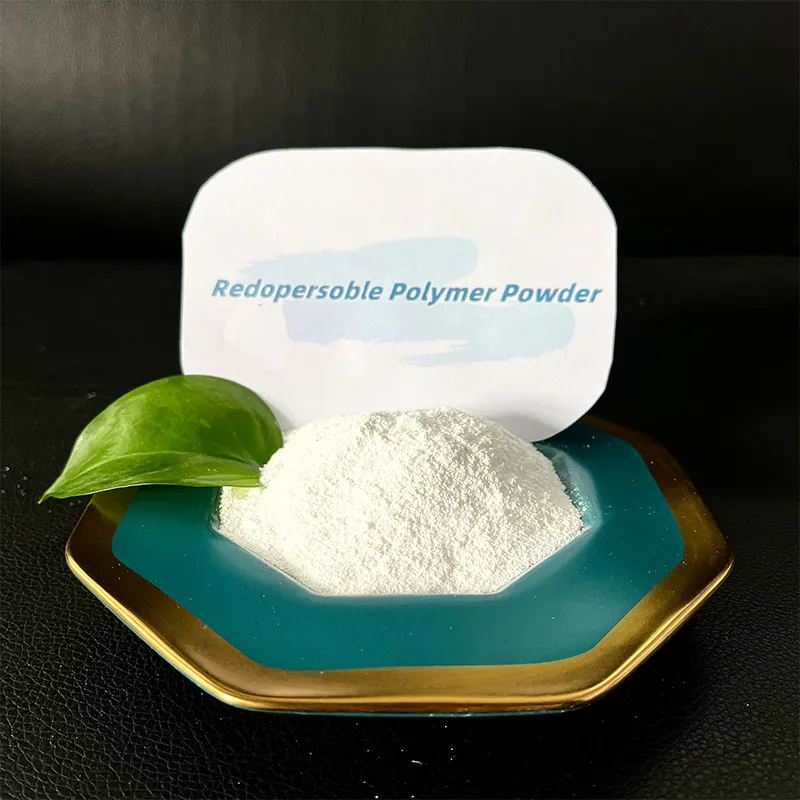
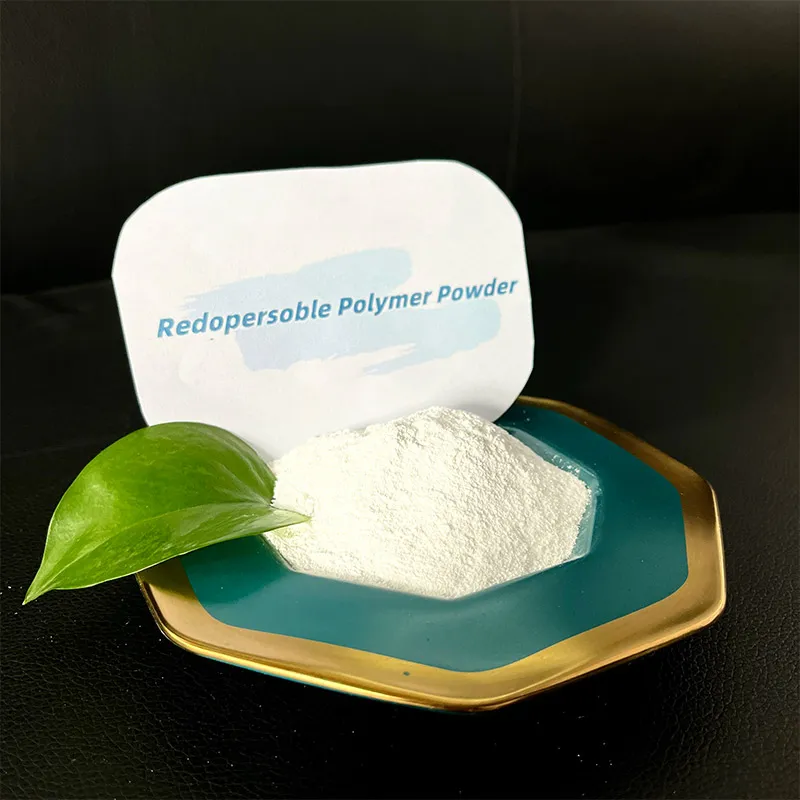
Polymer powder is a key ingredient in many industries, providing critical properties to products in construction, adhesives, coatings, and more. With its wide range of applications, polymer powder enhances the performance, durability, and flexibility of finished products. Available in various forms, polymer powder s can be tailored to meet the specific needs of different applications, making them a versatile choice for manufacturers worldwide. Whether you're working in construction, paints, or textiles, polymer powder offers the ideal solution for improving your products’ functionality. Explore Our Range of Colored Polymer Powder If you need vibrant, long-lasting colors in your products, colored polymer powder is the way to go. Whether you're producing construction materials, decorative coatings, or consumer goods, colored polymer powder offers an efficient way to introduce rich, stable colors into your products. Our premium colored polymer powder is designed to maintain its brightness and consistency, ensuring your products stand out. With a wide selection of shades, you can achieve the exact color you need while maintaining high quality and performance. The Benefits of Redispersible Polymer Powder Redispersible polymer powder is a game-changer in many industrial applications. Unlike traditional resins, redispersible polymer powder can be re-dispersed in water to create a solution, which offers greater convenience and efficiency for various processes. Widely used in adhesives, tile grout, and plaster, redispersible polymer powder enhances bonding strength, flexibility, and durability. This type of polymer powder is particularly valued in the construction and building materials sectors, providing superior performance while reducing transportation and storage costs. Discover the many benefits of using redispersible polymer powder in your formulations today. What Influences Polymer Powder Price? When considering polymer powder price , it’s important to understand the factors that affect the cost. The polymer powder price can vary depending on the type of polymer used, the quantity purchased, and the specific application for which the powder is intended. High-performance polymer powder may be priced higher due to its specialized formulations, while larger orders typically reduce the cost per unit. Additionally, polymer powder price can also depend on the presence of additives, colorants, and whether the polymer powder is customized for particular applications. To ensure you're getting the best value for your needs, always consider both the performance and the cost-effectiveness of the polymer powder price . Why Choose Our Polymer Powders for Your Business? Our polymer powder products are crafted with the highest standards of quality and performance, ensuring that your manufacturing processes run smoothly. From colored polymer powder to redispersible polymer powder , we offer a comprehensive selection that suits a wide variety of industries. Our polymer powder solutions are designed to enhance the quality of your final products, increase production efficiency, and offer cost-effective solutions for your business. With competitive polymer powder price s, we guarantee the best value for your investment. Whether you need a specialized formula or a standard polymer powder , our products are the perfect addition to your production line. Polymer Powders FAQs What is polymer powder? Polymer powder is a fine, dry material made from polymers, typically used in various industrial applications to improve the properties of products like adhesives, coatings, and construction materials. It is valued for its ability to enhance flexibility, strength, and durability in the final product. Polymer powder can come in different types, such as colored polymer powder or redispersible polymer powder , each serving specific functions depending on the industry. What is colored polymer powder used for? Colored polymer powder is primarily used to add vibrant colors to products such as construction materials, coatings, and consumer goods. The color pigments are stable and long-lasting, ensuring that the final product maintains its color over time, even under challenging conditions. It’s ideal for applications where both color and performance are important, making it perfect for industries like construction, automotive, and packaging. What is redispersible polymer powder and how is it used? Redispersible polymer powder is a special type of polymer powder that can be re-dispersed in water, forming a solution that can be easily applied in a variety of industrial processes. It’s commonly used in adhesives, tile grouts, and plaster, where it improves bonding strength, flexibility, and water resistance. The ability to re-dispense the polymer powder in water makes it a more convenient and cost-effective solution for many manufacturing processes. How does the polymer powder price vary? The polymer powder price depends on several factors, including the type of polymer used, the quantity purchased, and whether any special additives or colors are involved. Specialty redispersible polymer powder sand colored polymer powder s often come at a higher price due to their advanced formulations. Additionally, larger volume purchases can reduce the polymer powder price per unit, offering better cost-effectiveness for bulk orders. Why should I choose your polymer powders? Our polymer powder sare craftedto meet the highest standards of quality, ensuring that your products perform at their best. We offer a wide selection of colored polymer powder s and redispersible polymer powder s, all designed to enhance the durability, flexibility, and performance of your products. Our polymer powder price is competitive, offering you the best value for your investment. Whether you’re in construction, coatings, or any other industry, we have the perfect polymer powder solution for you.
-
Fiberglass reinforced polypropylene (FRPP) is revolutionizing industries due to its synergistic blend of properties that combine strength with versatility . As an advanced composite material, FRPP is gaining traction for its ability to fulfill the rigorous demands of various applications while maintaining cost-effectiveness. Here, we delve into the characteristics, applications, and advancements of FRPP, highlighting the material's impact across sectors. FRPP is crafted by integrating glass fibers into a polypropylene matrix, resulting in a composite that exhibits enhanced mechanical properties. This material stands out due to its impressive strength-to-weight ratio, corrosion resistance, and excellent impact resistance. Unlike pure polypropylene, FRPP combats structural weaknesses and expands the scope of applications through more demanding environments where conventional materials might fail. This robust nature of FRPP makes it an invaluable asset for industries that require durable yet lightweight materials. One of the standout features of FRPP is its corrosion resistance, a crucial factor in chemical processing, water treatment plants, and maritime applications. Components made from FRPP can withstand the harsh conditions of exposure to chemicals, salty water, and other corrosive substances. This quality ensures longevity and reliability, reducing maintenance costs and downtime associated with traditional materials that corrode over time. The automotive industry is also benefiting from FRPP, where reducing vehicle weight without sacrificing safety and performance is paramount. FRPP allows manufacturers to design components that are lighter yet structurally sound, contributing to improved fuel efficiency and reduced emissions. Moreover, this material is adaptable to a variety of automotive parts, from bumpers to dashboards, revolutionizing the design paradigms within the industry. fiberglass reinforced polypropylene In piping systems, FRPP is setting new standards by offering flexibility and strength. The pipelines used in sewage systems, industrial wastewater management, and potable water systems leverage FRPP for their ability to endure pressure while being resistant to heat and chemical degradation. These characteristics mean consistent performance across the pipeline's lifespan, establishing FRPP as an environmentally friendly choice by reducing the frequency of repairs and replacements. When considering the environmental impact, FRPP is particularly appealing due to its recyclability. As industries move towards sustainable practices, materials like FRPP align with greener strategies by offering recyclability without losing significant structural integrity. This not only supports a circular economy but also helps organizations meet stringent environmental regulations. Development in FRPP technologies continues to advance, pushing the boundaries of performance and applicability. Research and improvements in fiber-matrix bonding techniques are enhancing the overall performance of FRPP components. Manufacturers are also exploring hybrid composites, combining FRPP with other polymers or additives to tailor the material properties to specific application needs. In conclusion, fiberglass reinforced polypropylene stands as a testimony to technological innovation in material science. Its application across diverse industries underscores its reliability and capability to meet demanding requirements with an environmentally conscious approach. As the material continues to evolve, it holds the promise for more groundbreaking applications, underscoring its role in shaping the future landscape of engineering and manufacturing. By choosing FRPP, industries not only leverage enhanced material properties but also gain an ally in the pursuit of sustainability and efficiency.
advantages
-

200000 Viscosities
Excellent product
We can produce pure products up to 200,000 viscosities
-

40000 tons
High yield
We don’t stop production all year round, and the annual output can reach 40,000 tons
-

24 hours
Quality service
We provide 24-hours online reception service, welcome to consult at any time
———— Inquiry Form
Schedule A services


-
 kizuia_plasta
Oct . 25, 2025
In today’s fast-paced manufacturing and construction industries, the demand for sustainable and cost -
 hpmc_manufacturers_in_china
Oct . 25, 2025
The Insights into Rubber Powder Prices Market Trends and Influencing Factors Rubber powder is a fine -
 what_does_hpmc_stand_for
Oct . 25, 2025
Unlocking the Potential of HPMC A Comprehensive Guide to Finding Quality HPMC for Sale Exploring the


